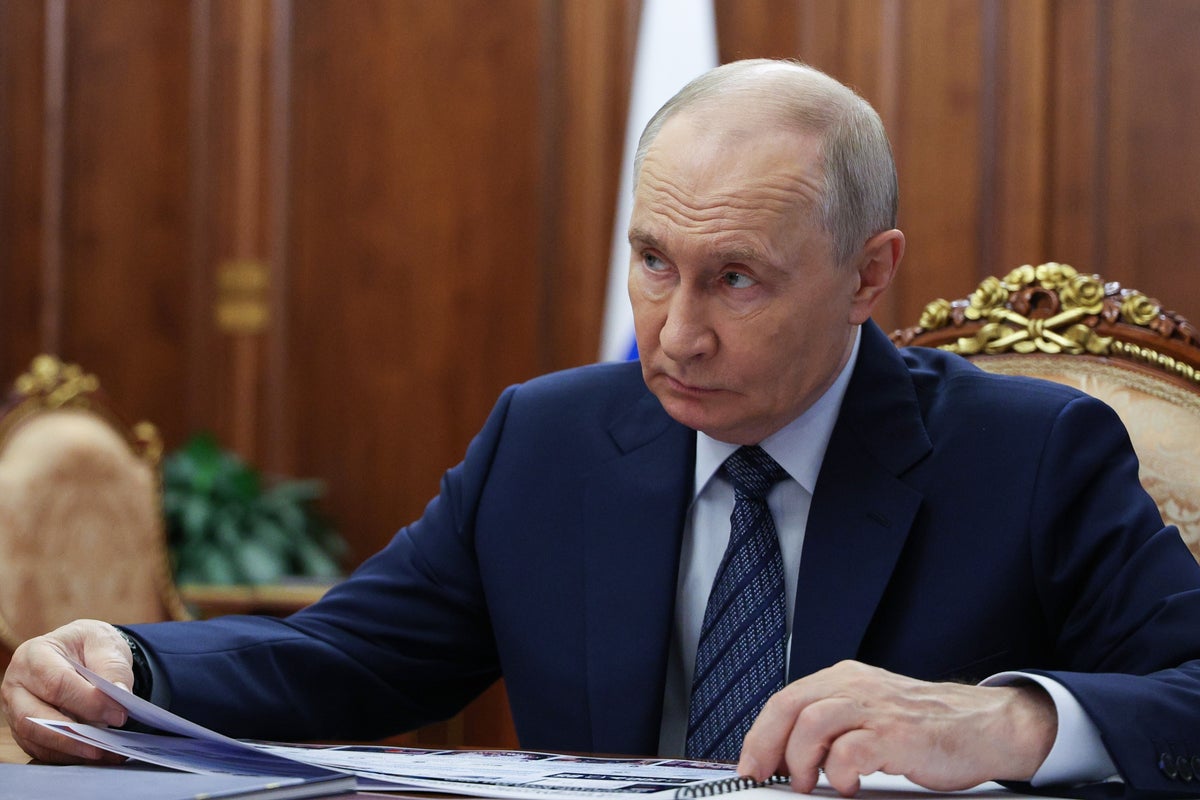
The landscape of online public discourse has experienced a significant shift, with digital platforms increasingly serving as arenas for coordinated influence campaigns. Designed not necessarily to promote a specific ideology, but rather to amplify existing societal fractures, these operations exploit the open nature of modern communication channels. By targeting sensitive political debates and magnifying polarizing narratives, malicious actors seek to erode trust in foundational institutions and democratic processes.
Observers note that the mechanics of these campaigns often rely on amplifying extreme viewpoints on multiple sides of a given issue. The goal is to foster an environment of perpetual friction where constructive dialogue becomes difficult to sustain.
Their aim is to inflame both sides. They work all the angles to ensure we're fighting against eachother. They're smart. They take some version of the truth and amplify it in the way that causes the most anger.
Identifying manufactured rhetoric from organic public opinion remains a persistent challenge for digital platforms and users alike. As anonymity features and algorithmic sorting shape what content gains traction, distinguishing genuine discourse from strategic manipulation grows increasingly complex.
How can we tell the Russian disinformation from the normal disinformation?
Addressing this vulnerability requires a nuanced understanding of how information travels and mutates online. While governments and security agencies work to establish defensive frameworks, the resilience of public discourse ultimately depends on critical evaluation, media literacy, and a willingness to engage with diverse viewpoints without falling into reactionary traps.

